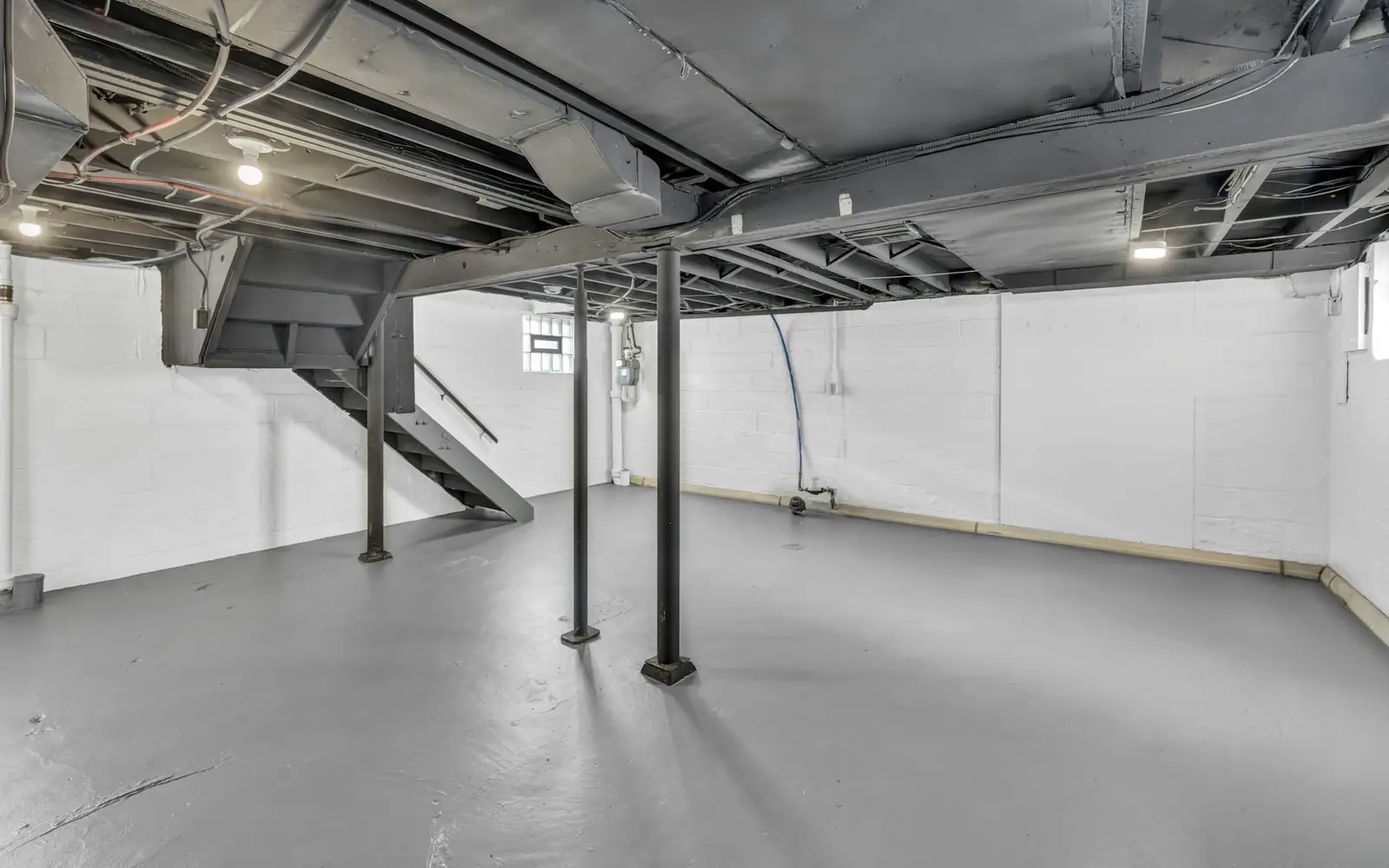
What Causes Foundation Settlement
A foundation settles when the soil underneath it compresses, shifts or washes away. In the Spokane area that can happen for a few reasons. Some neighborhoods sit on looser glacial soils that compact unevenly over time. Homes on slopes can see soil slowly creep downhill. Poor drainage, leaky gutters and heavy spring snowmelt can soften the ground right next to the footing. Freeze-thaw cycles and frost heave add their own stress.
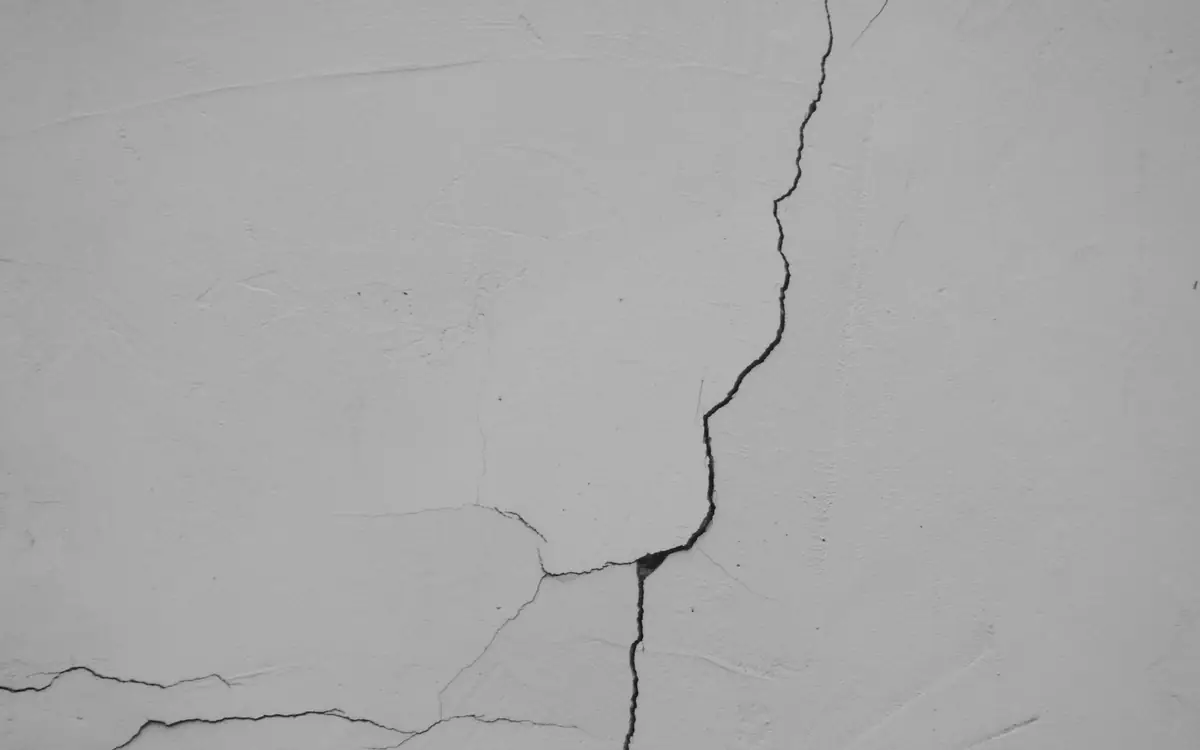
Settlement usually shows up gradually. One corner of the house drops a little, floors start to slope, cracks open above doors and the gap under a door grows on one side. It is rarely an overnight crisis, but it does not fix itself either.
How Piers Stabilize a Foundation
Piers transfer the weight of your home past the weak soil and down to firmer ground or bedrock. Push piers, also called resistance piers, are steel tubes driven down using the weight of the house as resistance. Helical piers have screw-like plates and are turned into the ground, which makes them useful for lighter structures, additions, porches and some sloped lots.
Once the piers reach stable soil, brackets connect them to the footing. In some cases the contractor can lift the settled section back toward level. In others, the goal is simply to stop further movement. A good contractor will be clear about which one is realistic for your home.
Questions to Ask Your Contractor
- What type of pier do you recommend for my house and soil, and why?
- How many piers will I need, and where will they go?
- Will you try to lift the foundation, or just stabilize it?
- Do you need to excavate outside, inside, or both?
- Is a structural engineer's evaluation recommended, and do I need a permit?
- What does the written warranty cover, and is it transferable if I sell?
Planning Around Spokane Weather
Pier work involves digging next to the foundation, so timing can matter. Many contractors work year round, but frozen ground in the depths of winter or saturated soil during spring runoff can affect scheduling. If you notice settlement in the fall, getting an inspection before the ground freezes gives you time to compare estimates and plan the work without pressure.
Always confirm the contractor is registered, bonded and insured in Washington, and get the full scope and price in writing before work begins.