Signs of Crawl Space Problems
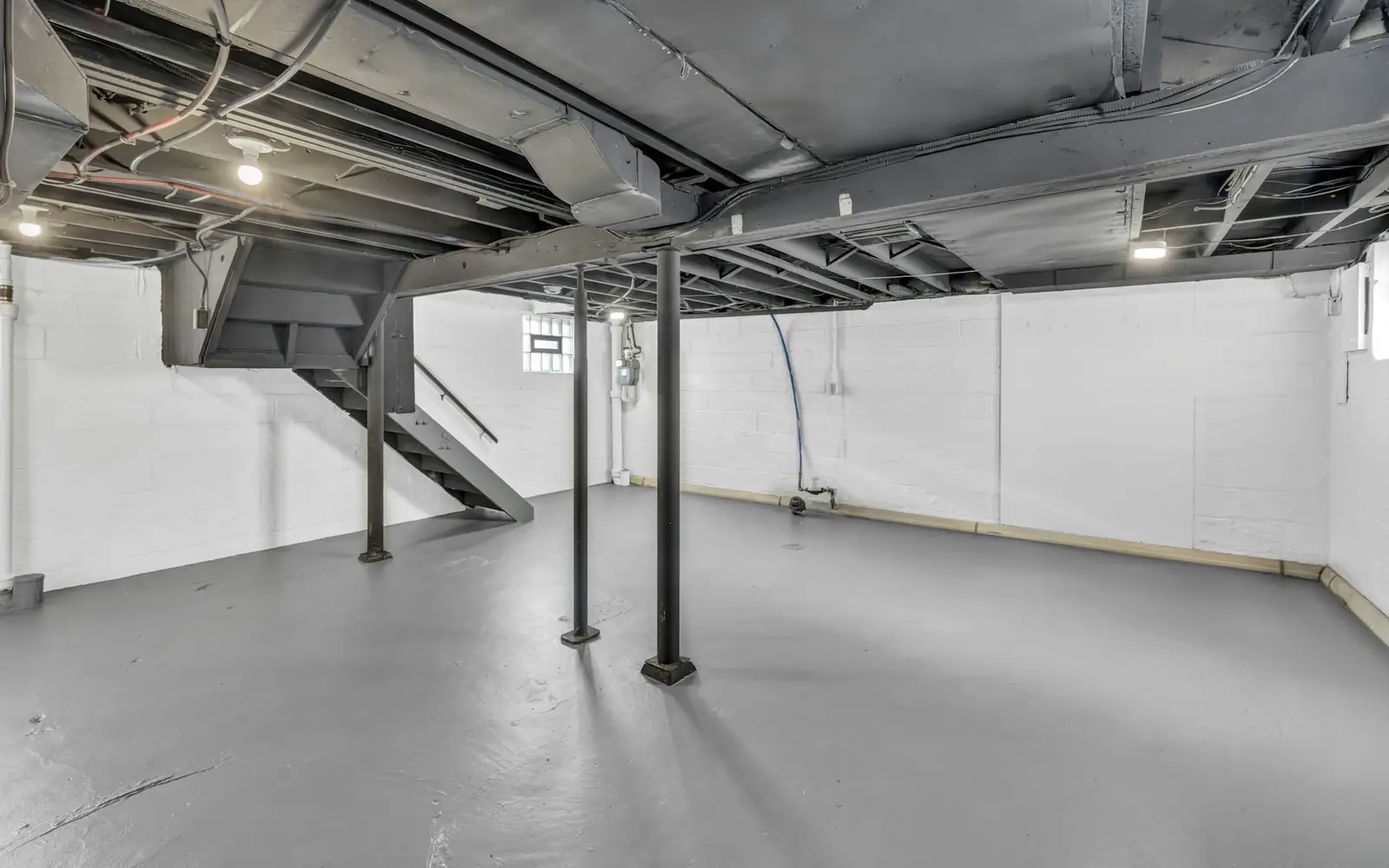
Many Spokane-area homes, especially older houses and ranch-style homes, sit over a crawl space instead of a full basement. Because nobody goes down there very often, problems can build quietly for years. The first clues usually show up in the living space above.
- Floors that sag, bounce or slope toward the middle of the house
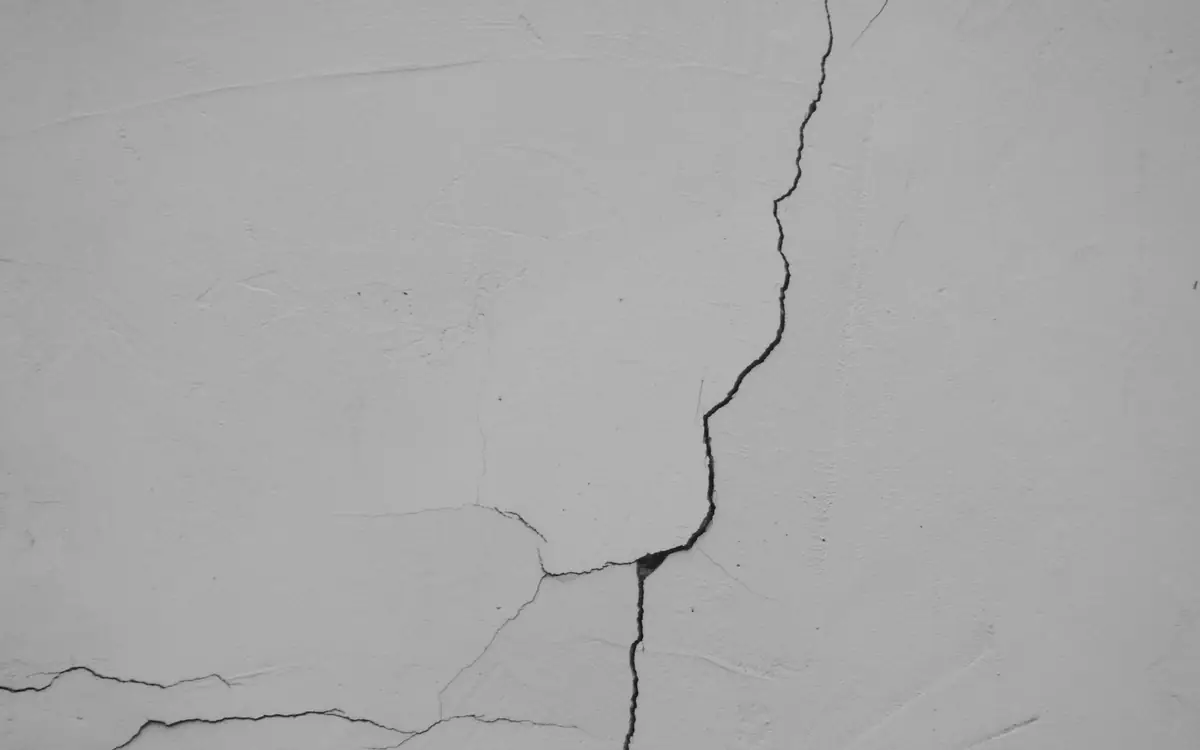
- Gaps between baseboards and the floor, or cracks in interior walls
- A musty smell in the house, particularly in spring
- Standing water, damp soil or condensation in the crawl space
- Rotted, cracked or shimmed wood posts and beams
- Rodent activity or insulation falling down from the floor joists
Structural Support Repairs
Over time, wood posts can rot, original footings can sink into soft soil and beams can sag between supports. A common fix is to install adjustable steel support jacks on proper footings under the main beam. Contractors can also sister new lumber onto cracked joists, replace damaged beams or add supports where the original spacing was too wide.
Leveling a sagging floor is usually done gradually so walls, doors and finishes have time to adjust. Your contractor should explain how much lift is realistic and what you might notice upstairs during the process.

Moisture Control in the Crawl Space
Moisture is behind many crawl space problems. Snowmelt and spring rain can seep in through foundation walls or rise up from the soil, and damp conditions lead to wood rot, mold and pests. Solutions range from a basic plastic vapor barrier on the ground to full encapsulation, where the floor and walls are sealed and the space is conditioned or dehumidified. Some crawl spaces also need a perimeter drain and sump pump.
Encapsulation affects how a crawl space is ventilated, so ask your contractor how the system will handle airflow and freezing temperatures, and whether any plumbing needs extra protection in winter.
Before You Hire
Ask for photos of what the contractor finds in your crawl space, since you may not want to go down there yourself. Get a written scope that separates structural repairs from moisture work so you can compare estimates fairly. As with any foundation project, confirm the contractor is registered with Washington's Department of Labor and Industries and carries liability insurance.