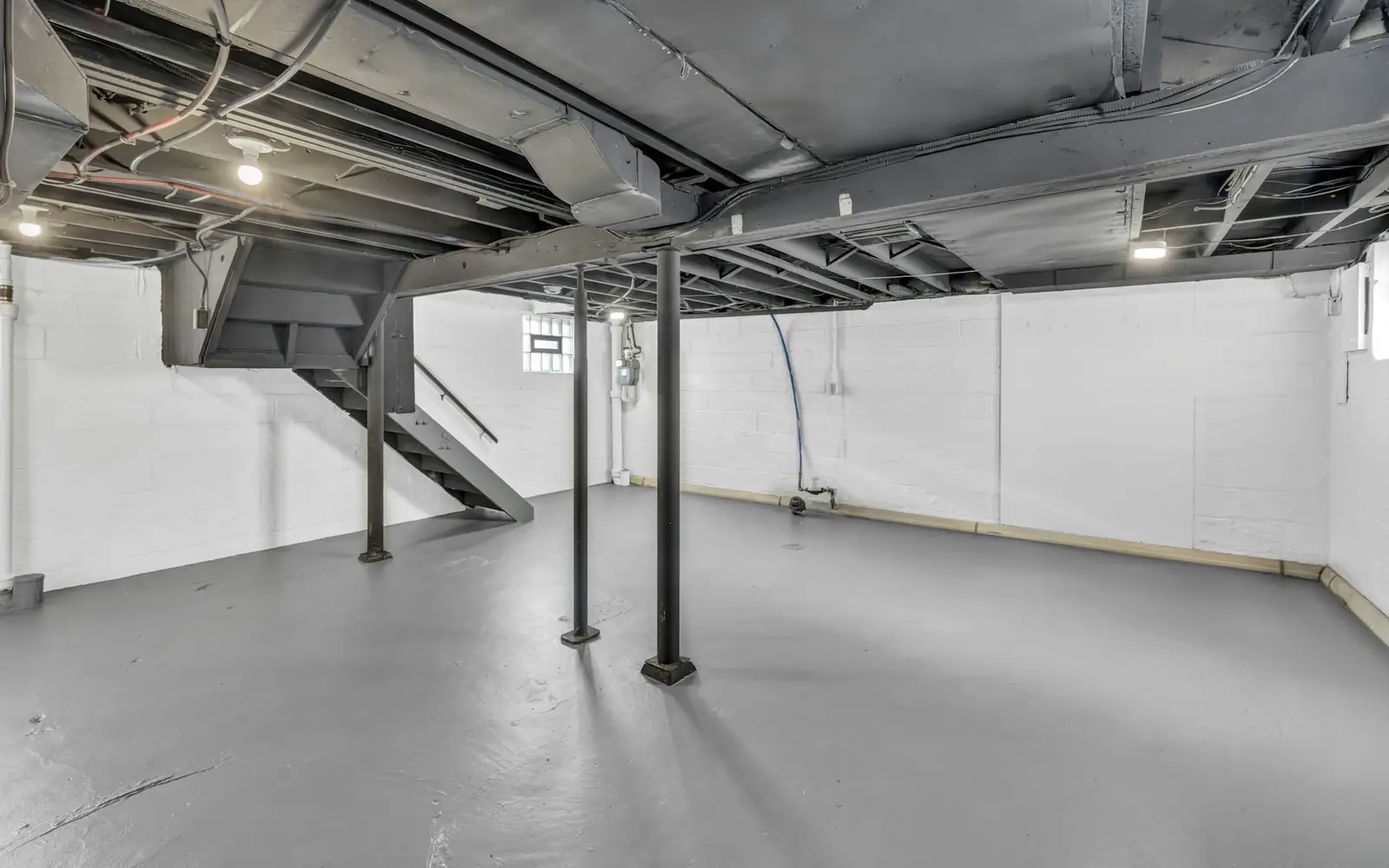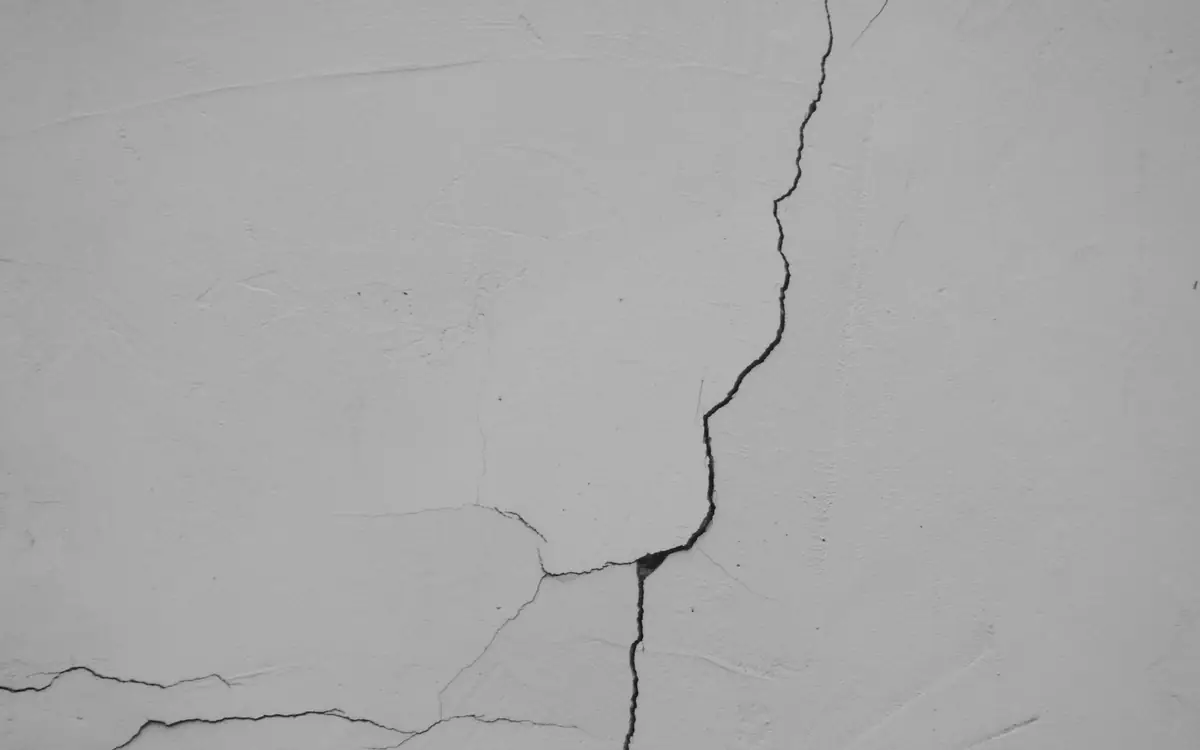
Why Spokane Basements Get Wet
Spokane gets a good share of its precipitation as snow, and when that snow melts in late winter and spring, a lot of water soaks into the ground around your house at once. Groundwater levels can rise, and the soil against your basement walls stays saturated for weeks. That water looks for the easiest way in, which is often a crack, the joint where the wall meets the floor, or a gap around a pipe.
Older homes in neighborhoods like the South Hill, Browne's Addition and the Perry District often have basements built long before modern drainage and waterproofing were standard. Some have stone or block foundations that were never sealed at all. Newer homes can have problems too, especially if grading has settled or gutters dump water right next to the foundation.
Common Waterproofing Solutions
- Interior drain tile: a perimeter drain installed under the edge of the basement floor that collects water and carries it to a sump
- Sump pump installation or replacement, often with a battery backup
- Crack injection to seal individual leaking cracks
- Exterior excavation and waterproofing membrane with new footing drains
- Wall vapor barriers or coatings for minor dampness
- Gutter, downspout and grading fixes to move water away from the house
Interior vs. Exterior Waterproofing
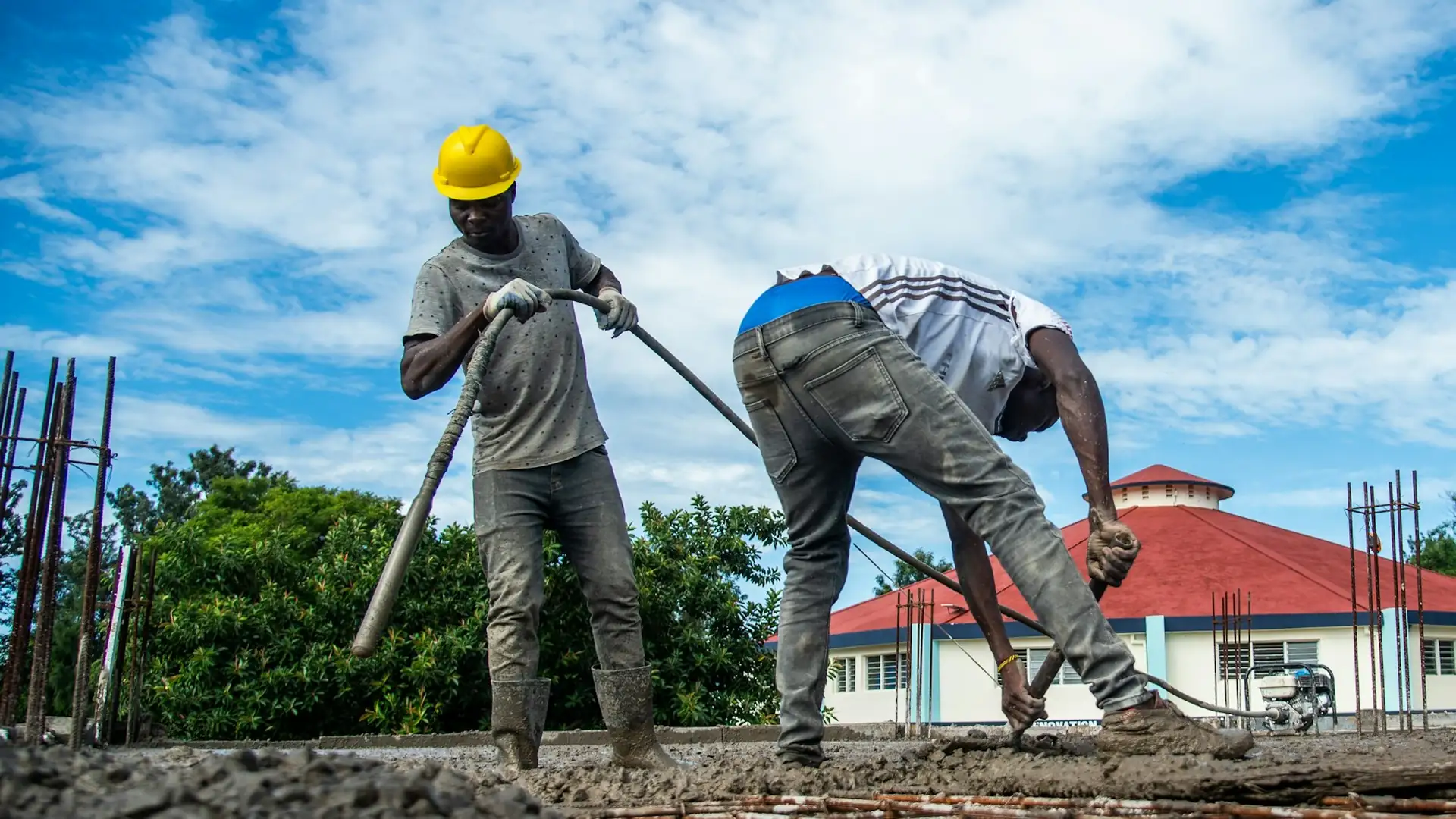
Interior systems manage water after it reaches the wall. They are usually less disruptive and less expensive, since there is no need to dig up landscaping, decks or driveways. Exterior waterproofing stops water at the outside face of the wall. It is more involved and costs more, but it can make sense for severe leaks, new construction or when the outside is already being excavated for other foundation work.
Many leaks are solved with simple steps first, like extending downspouts and regrading soil so it slopes away from the house. A trustworthy contractor will tell you when a smaller fix is worth trying.
Getting the Right Estimate
When a local waterproofing contractor visits, point out exactly where and when you see water. Photos from last spring help. Ask what is causing the water, not just how they plan to stop it, and ask whether the system includes a sump discharge line that will not freeze in winter. Get the full price and warranty in writing, and confirm the contractor's Washington registration and insurance.